

በቤተ ክርስቲያናችን ከምንሰጣቸው አገልግሎቶች በከፊል
The Seven Sacraments of the Ethiopian Orthodox Tewahedo Church
The Ethiopian Orthodox Tewahedo Church teaches that the life of salvation is lived through the Seven Holy Mysteries (Sacraments). These are not merely outward rituals, but divine actions through which God communicates His grace (ጸጋ) to humanity. Through these sacred mysteries, the believer is sanctified, renewed, and united with Christ.
The foundation of the sacraments is found in the life and teaching of our Lord Jesus Christ. He established these mysteries and entrusted them to His Apostles, saying: “As the Father has sent Me, I also send you” (John 20:21). The Apostles, in turn, passed this sacred responsibility to the Church. As Saint Paul writes: “Let a man so consider us, as servants of Christ and stewards of the mysteries of God” (1 Corinthians 4:1).
Holy Baptism is the first and essential sacrament, through which a person is born again. Our Lord clearly declared: “Unless one is born of water and the Spirit, he cannot enter the kingdom of God” (John 3:5). Through baptism, the believer dies with Christ and rises with Him: “We were buried with Him through baptism into death… that we also should walk in newness of life” (Romans 6:4). Saint Cyril of Jerusalem teaches that baptism is illumination, by which the soul receives divine light and becomes a child of God.
Chrismation (Confirmation) follows baptism and grants the gift of the Holy Spirit. In the Acts of the Apostles, we read: “Then they laid hands on them, and they received the Holy Spirit” (Acts 8:17). This sacrament strengthens the believer to live a spiritual life. Saint Basil the Great explains that through the Holy Spirit, the believer is sealed and empowered to grow in holiness.
The Holy Eucharist is the center of the Christian life. In this mystery, the faithful partake of the true Body and Blood of Christ. Our Lord said: “Take, eat; this is My body… Drink from it, all of you” (Matthew 26:26–27), and again: “He who eats My flesh and drinks My blood has eternal life” (John 6:54). Saint Ignatius of Antioch calls the Eucharist “the medicine of immortality,” because it grants eternal life and unites the believer with Christ.
Confession (Repentance) restores the believer after sin. Christ gave authority to forgive sins when He said: “Whose sins you forgive, they are forgiven” (John 20:23). Through repentance and confession, the soul is healed. Saint John Chrysostom teaches that confession is a spiritual medicine that removes sin and restores the soul. Saint Isaac the Syrian calls repentance the door of divine mercy.
Holy Matrimony is a sacred covenant between a man and a woman, blessed by God. As it is written: “Therefore a man shall leave his father and mother and be joined to his wife, and they shall become one flesh” (Genesis 2:24). Christ affirmed this union: “What God has joined together, let no man separate” (Matthew 19:6). Saint John Chrysostom teaches that marriage is a “little church,” where husband and wife grow together in faith and holiness.
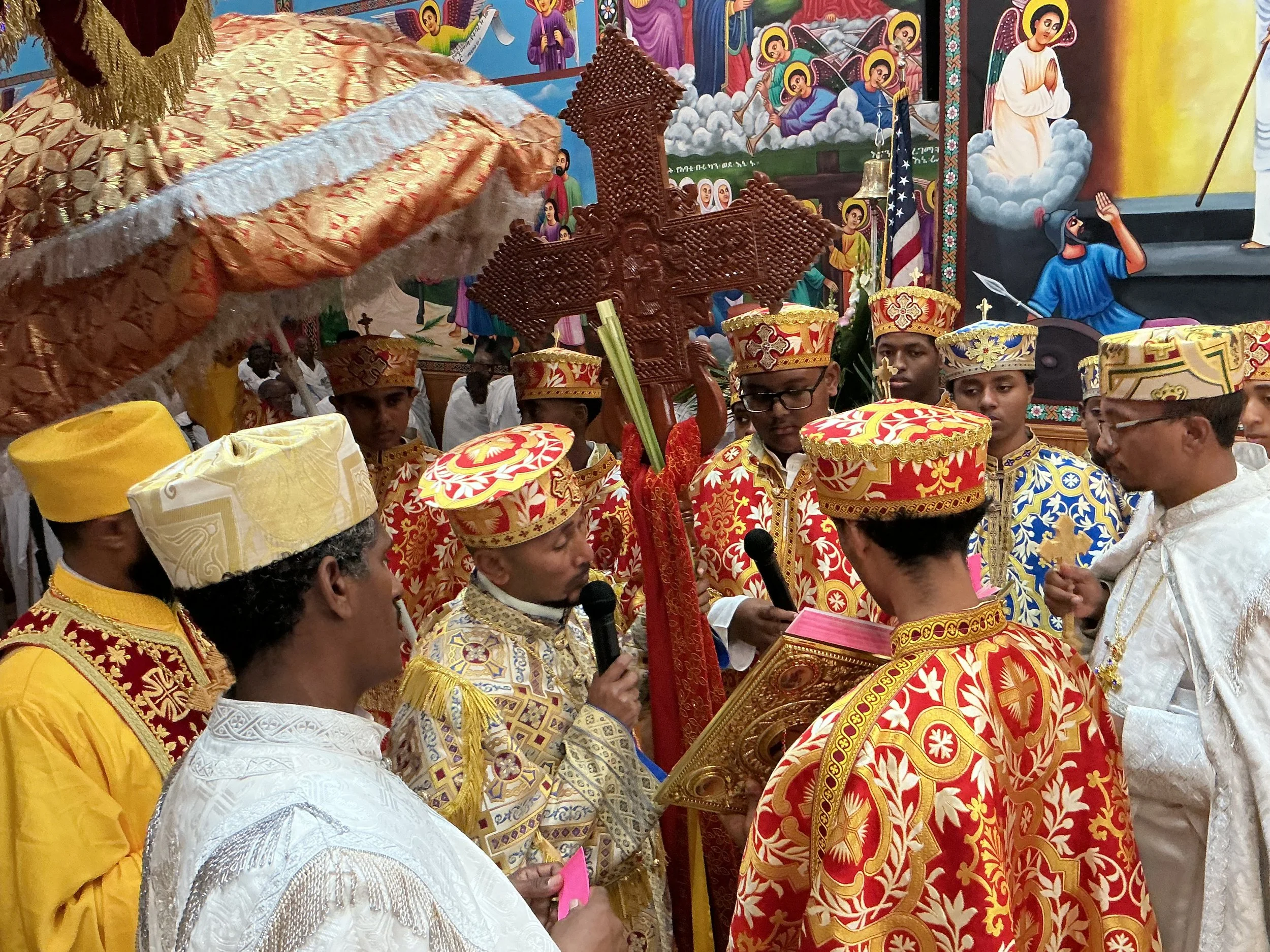
Holy Orders (Priesthood) is the sacrament through which the Church’s ministry is continued. Christ appointed His Apostles, and they ordained others to serve. Saint Paul writes to Timothy: “Do not neglect the gift that is in you, which was given to you by prophecy with the laying on of the hands of the eldership” (1 Timothy 4:14). Through this sacrament, bishops, priests, and deacons are set apart to serve the Church and administer the mysteries. Saint Gregory the Theologian teaches that the priesthood is a sacred calling that requires holiness and responsibility.
The Anointing of the Sick is given for healing and forgiveness. The Apostle James teaches: “Is anyone among you sick? Let him call for the elders of the church… anointing him with oil in the name of the Lord” (James 5:14–15). Through this sacrament, God grants healing of body and soul. Saint Ephrem the Syrian teaches that God uses material things like oil as instruments of His healing grace.
The Church Fathers consistently affirm that the sacraments are essential for salvation. Saint Basil the Great teaches that through visible signs, God communicates invisible grace. Saint Cyril of Jerusalem explains that in the sacraments, ordinary elements become vessels of divine power. Saint John Chrysostom emphasizes that through these mysteries, the believer is transformed and united with Christ.
The seven sacraments form one complete life in Christ. Baptism begins the journey, Chrismation strengthens it, the Eucharist nourishes it, Confession restores it, Matrimony and Priesthood sanctify human life and service, and Anointing brings healing and comfort. Together, they guide the believer toward holiness and eternal life.
Ultimately, the sacraments are gifts of God’s love. Through them, the faithful participate in the divine life, grow in grace, and are prepared for the Kingdom of Heaven.